

I saw some big creatures this year: grizzly bears, mountain goats, even a rare lynx, but what consistently caught my eye were smaller animals, often right beside the trail. These close encounters were rewarding for the beauty revealed in fur and feathers, and for the behaviours exhibited. In the order that I crossed paths with them, here are my favourite five…
1. Least chipmunk
 Chipmunks are certainly cute, but if you watch them closely, they have an interesting approach to berries: they’re only interested in the seeds. It doesn’t matter if it’s a wild strawberry or a buffaloberry, they don’t eat what we think of as the “good” part – the fruit portion of the berry – they just eat the seeds. I watched this one on the Rockpile trail at Moraine Lake in May. It would grab a juniper berry off a bush, munch through the tough skin and pulp until it found the seed, and then throw the rest of the berry to the ground.
2. Violet-Green Swallow
 When people talk about “wildlife,” they usually mean mammals, but mammals aren’t always easy to find. However, if you include birds in your definition, you are sure to see ‘wildlife” in the park every single day. Add binoculars or a zoom lens into the mix, and your bird sightings will wow you!
I spied this male violet-green swallow in June in Banff, and was impressed by its vivid metallic green back. I was glad that it parked itself for a few moments, as they are really hard to photograph in flight: they can rip along at up to 45 km/h. No wonder their Latin name is Tachycineta thalassina. Tachycineta is from the Greek “tachos,” which means speed.
3. Columbian Ground Squirrel
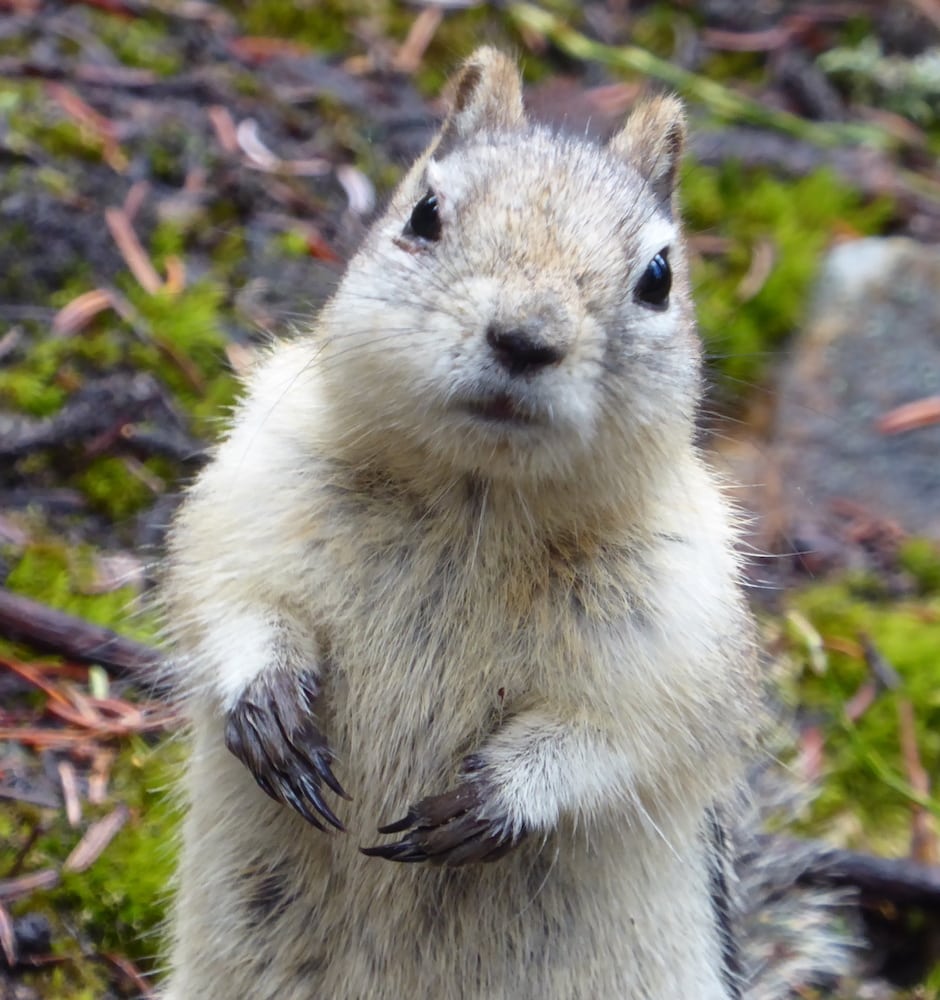
 At the beginning of July, in a meadow below the Victoria Glacier, near Lake Louise, a wary ground squirrel and I tried not to move as we observed one another. When you get close to Columbian ground squirrels, you really notice a beautiful, dappled pattern in their fur. They’re definitely worth a second look.
Here’s the wild part: even though it was only early July, this one was more than halfway through its brief summer above ground. They are hibernation champs, spending seven to eight months of the year asleep.
4. White-tailed Ptarmigan
 Over the years, my go-to destination for ptarmigans has been Lake O’Hara, where I’m lucky enough to see them pretty much every summer, especially up at Oesa, Opabin or McArthur. This one, in early August, seemed utterly unperturbed as we crept by on the trail. Just look at those feathers!
5. Pika
 Early September means a final trip to the alpine salad bar for pikas. This one grazed amid the hustle and bustle at Moraine Lake, allowing me and my hiking group a wonderful close-up. I especially like the long whiskers.

 I think this one will be hard to beat. I got home from snowshoe guiding on a snowy day last January, and while I was shovelling, I noticed a roosting snowshoe hare beside the woodshed. They often rest in the daytime, and this little cutie decided that this was the perfect spot. The next d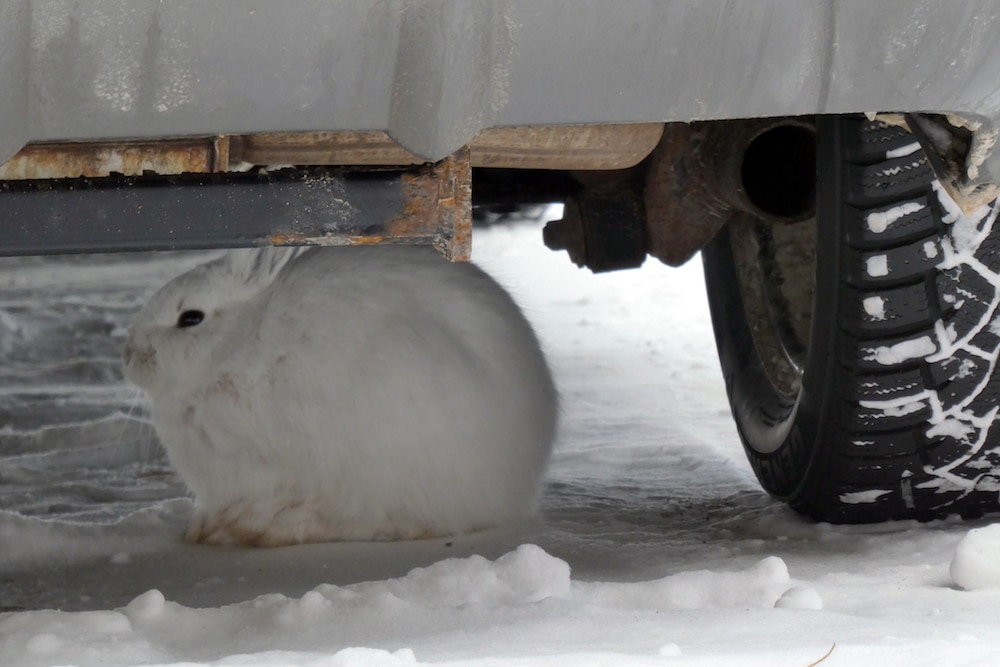
 This early bird (er, bee) was out gathering nectar and pollen at the end of May in Yoho National Park. Given the early date, this is a queen bee, born in the late summer of the previous year. She and her sisters are the only bumble bees from a colony that survive the winter, and after hibernating, each of them will try to start a new colony in the spring. Talk about resilience! Plus, if you need proof that bees are important pollinators, this picture is worth a thousand words.
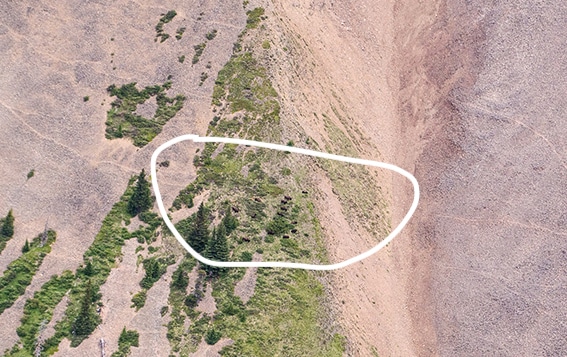
 Speaking of grizzly bears, sometimes the Lake Louise Ski Area lives up to its billing as a good place to spot bears. I was on the “Grizzly Express” summer sightseeing lift in July when I spotted this mama griz and her cub.
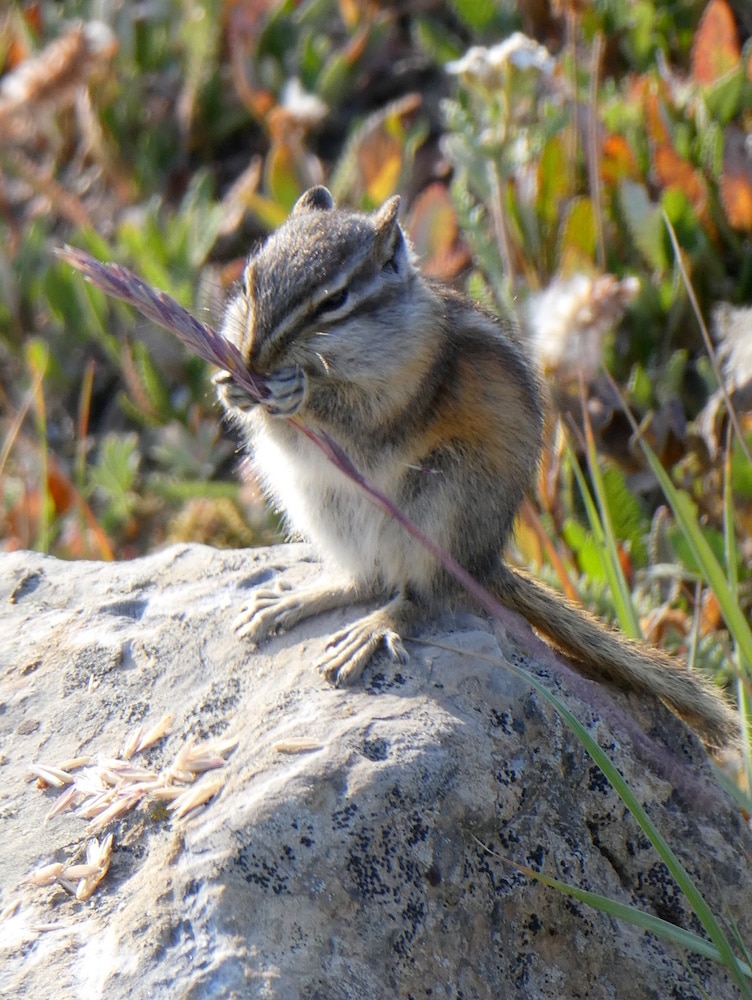 Fall is my favourite time to watch chipmunks, because they get really focussed on collecting seeds for the winter. It’s super charming: they harvest and husk grass seeds, then stuff them in their cheeks until they can’t squeeze in any more. These seeds are carried to the hibernation den and piled up until there are a couple of litres (!!) squirrelled (er, chipmunked) away for the winter. They wake up and snack frequently during their hibernation period.
 Okay, I have to start with the only ptarmigan joke I know…






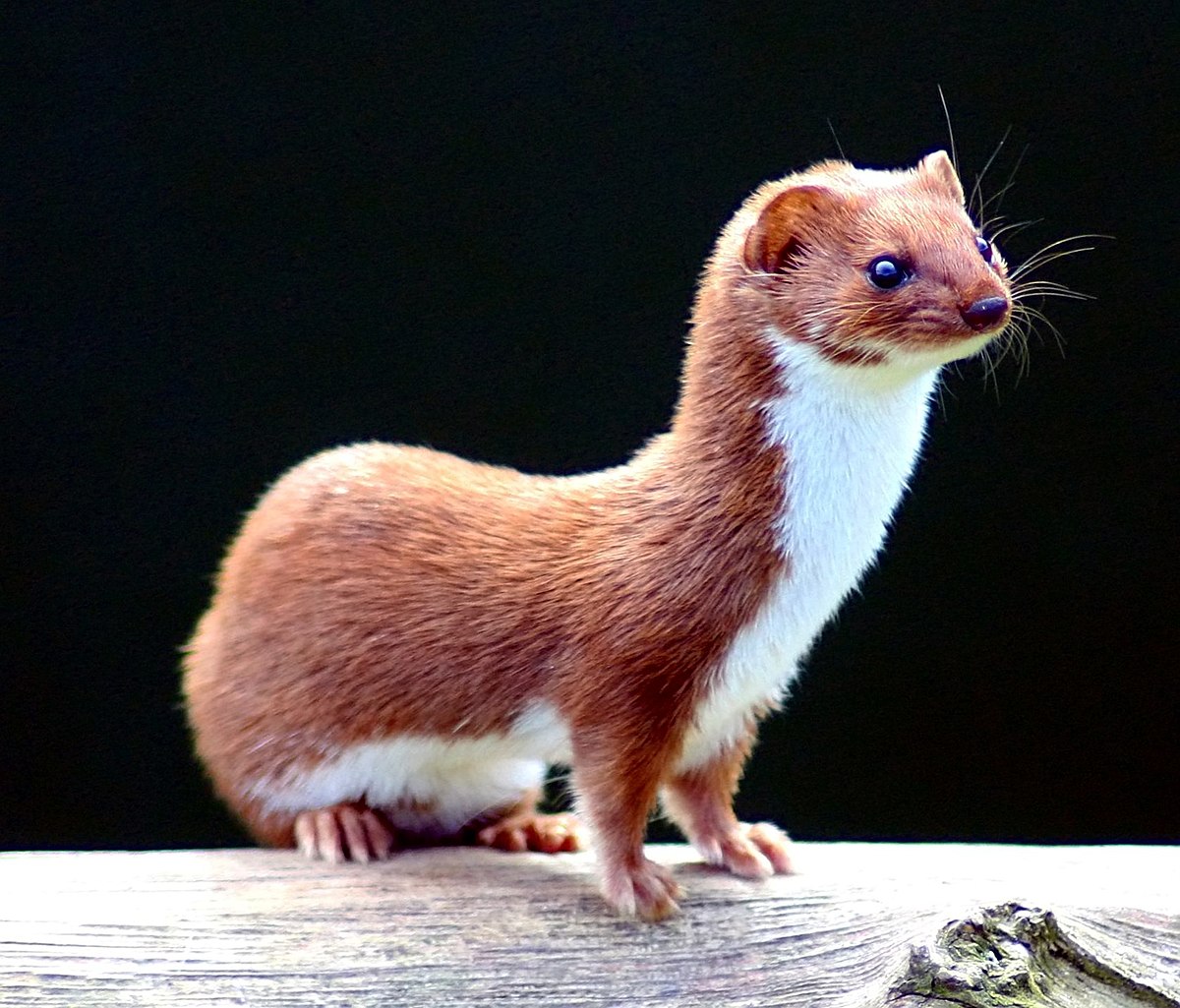
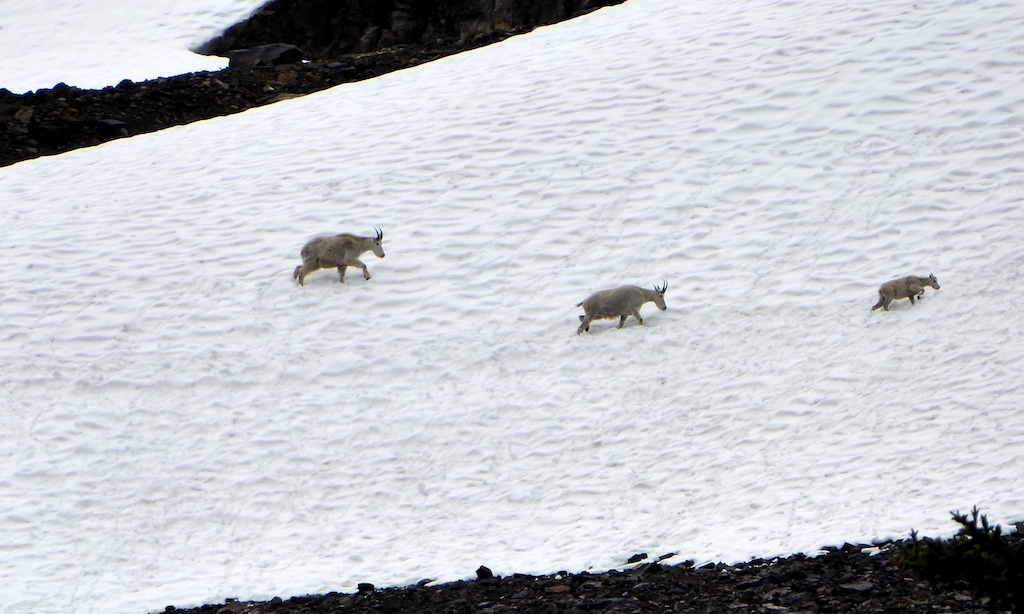
 I used to collect stamps, and I still geek out sometimes when I’m at the post office. Which is exactly what happened last week when I saw a new set of stamps featuring snow mammals. Yes, snow mammals! These are creatures that turn as white as snow for the winter months.
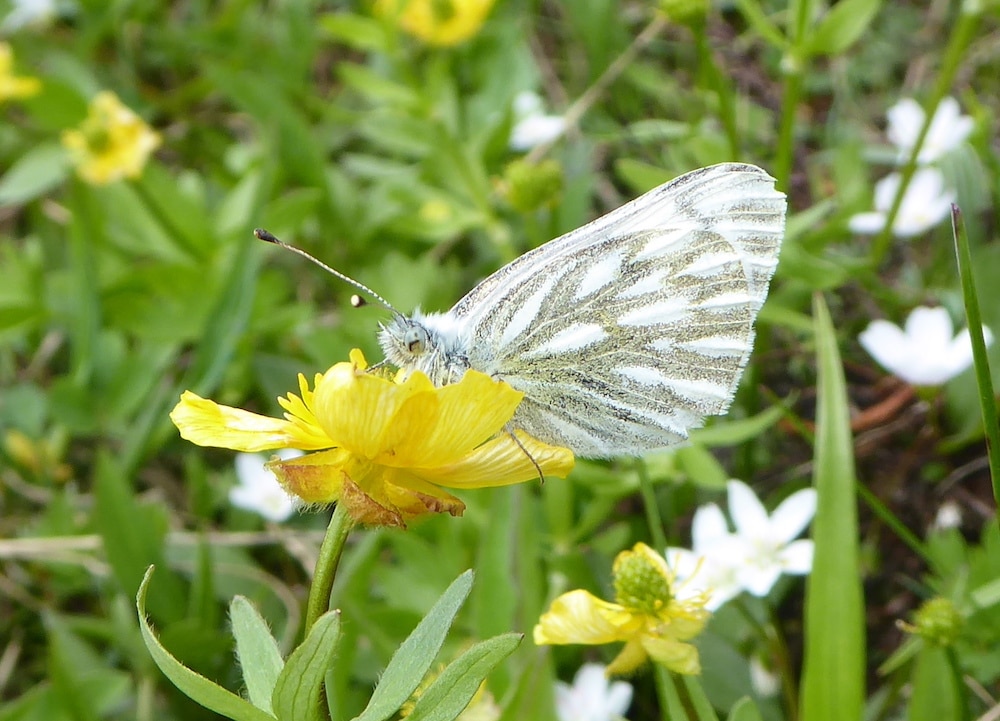


 Happily, the answer is yes, and I’m jazzed to have had the chance to see another wonderful creature that calls the Rocky Mountains home. And as for its Canadian credentials, how about the fact that it is the official insect of the Entomological Society of Canada?


 Here’s to 2020, and whatever nature brings. My New Year’s wildlife resolution is to finally see a wolverine! Well, we’re all allowed to dream a little, right?
 Emerald Lake is our most reliable local spot for nesting loons, and this summer’s pair raised a single chick. The youngster was a real crowd-pleaser, especially in the first few weeks it took to the water in its fluffy down coat.
 Some people can’t believe how short summer is around here. (Trust me, it’s short – a couple of days ago I skated on Moraine Lake… on October 11!). Sometimes the proof is in the birding. You can mark the beginning of autumn when you see the first shorebirds migrating south. This Greater Yellowlegs was already on his way to the southern US or Central America… on July 20!
 Harlequin Ducks are famous for living in whitewater, both in the fast streams of the Rockies, and in the surf zone along the rocky west coast. True to her whitewater roots, this gal was motoring right up through the current of Opabin Creek.
 Feathers like this are nature’s high art. And sometimes these grouse are as bold as brass. Remember, I’ve got a point and shoot camera: I’ve gotta get close to fill the frame with feathers. This one didn’t budge as we crept by on the trail. We could have touched it…
 There’s nothing common about the Common Raven. Bold, cheeky, playful, tough, and just downright interesting. Plus, they carry hints of green, purple and navy blue in their iridescent feathers. Stick around for winter, and you might see a rare pair of Ice Ravens!